A Legacy of Inaction Across Global Humanitarian Crises
The United Nations General Assembly convened a pivotal plenary session on Monday at its New York headquarters, focusing on the international responsibility to protect populations from ethnic cleansing and crimes against humanity. However, the discussions took place under a heavy cloud of skepticism from international observers. Critics argue that while the diplomatic gathering aims to establish new preventative protocols, the world body continues to show systemic inability to safeguard vulnerable populations currently facing existential threats on the ground.
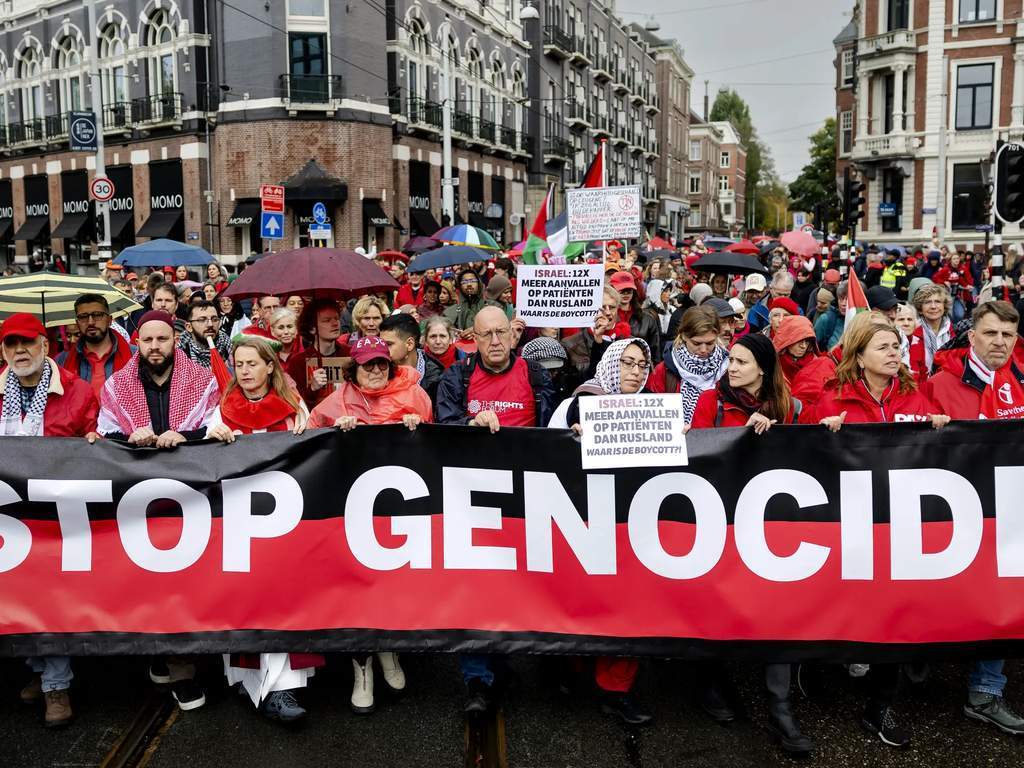
This deep-seated skepticism is rooted in a historical pattern of bureaucratic delay and political paralysis. From the 1994 Rwandan genocide, where over 500,000 Tutsis were systematically slaughtered within 100 days while world leaders avoided using the term "genocide", to the 1995 Srebrenica massacre where 8,000 Bosniak men and boys were executed in a designated UN "safe zone", the international framework has repeatedly buckled under pressure. More recently, the ongoing conflict in Gaza has resulted in over 73,066 Palestinian deaths since October 2023, accompanied by the destruction of 90 percent of the enclave's infrastructure, yet decisive action remains blocked by geopolitical vetoes.
Read Also
Legal scholars and human rights advocates note that the failure of prevention mechanisms represents a profound miscarriage of justice that challenges the integrity of the international legal order. In Sudan's Darfur region, a UN independent fact-finding mission concluded that the paramilitary assault on el-Fasher bore the 'hallmarks of genocide' after claiming over 14,000 civilian lives through starvation and extrajudicial executions. Despite documentation by bodies like Amnesty International, institutional paralysis often allows aggressors to normalize the targeted killing of civilians under the guise of geopolitical conflict.
The structural vulnerability of the UN framework is further exacerbated by the institutional power of permanent Security Council members, which frequently shields allied nations from accountability. In China's Xinjiang province, where the UN reported that up to two million Uighurs have faced forced political indoctrination, Beijing's veto power severely limits formal intervention. Similarly, in Myanmar, where the Rohingya minority faces what advocacy groups call an intensifying genocide, diplomatic efforts remain paralyzed by competing superpower interests, leaving international courts to process atrocities long after the devastation has occurred.