The Hidden Danger of Undetected Bat Exposure
The young boy from Ontario, Canada, showed no visible bite marks or scratches after the incident and remained entirely asymptomatic for the first 19 days. According to a report by the Canadian Medical Association Journal, the child awoke during a family vacation to find a bat resting on his nose and mouth. His father captured and released the animal, but because there were no apparent injuries and the bat did not act aggressively, the family did not seek immediate medical attention.
Weeks later, the boy began experiencing tingling, numbness, and swelling on the right side of his face. His condition deteriorated rapidly within 24 hours, progressing to a fever, slurred speech, confusion, hallucinations, and severe difficulty swallowing. After testing positive for rabies at the McMaster Children's Hospital in Hamilton, the child lost his brainstem reflexes within five days and was taken off life support 17 days after admission.
Read Also
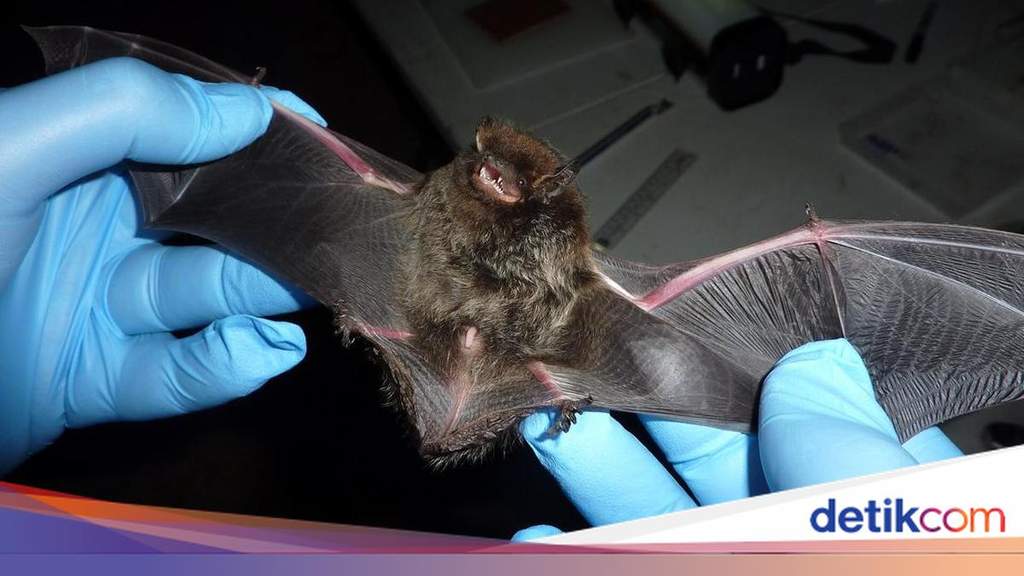
Medical professionals emphasize that bats pose a unique threat because their teeth and claws are extremely small, meaning exposures can easily go unnoticed. "Every direct contact between a human and a bat, even if there are no visible bites or scratches, is an indication for treatment," the medical team noted. They added that infected bats rarely display classic signs of the disease, such as aggression or foaming at the mouth, making any direct contact a high-risk encounter.
Rabies attacks the central nervous system and is virtually 100% fatal once symptoms manifest, although swift post-exposure prophylaxis is highly effective at preventing the disease. While human rabies remains exceedingly rare in North America—with Canada recording only 28 deaths since 1924—the silver-haired bat remains the primary vector for the virus in the region alongside skunks, foxes, and raccoons.