
The summer brought a sharper edge to the market. India's consumer price inflation climbed to 4.38% in June, up from 3.93% in May. The rise came fast. The U.S.-Iran war and a weak monsoon pushed fuel and food prices high. Economists surveyed by Reuters had expected a lower number of 4.30%. The reality was heavier.
// RELATED STORIES

Suka dengan artikel ini?
Dapatkan lebih banyak informasi teknologi menarik dengan berlangganan newsletter kami. Gratis!
Subscribe Sekarang →The cost of food rose across the land. According to India's Ministry of Statistics and Program Implementation, the All India Consumer Food Price Index reached 5.32% in June. Transport inflation accelerated to 4.3%, compared to a mild 1.75% rise in May. The Reserve Bank of India had previously kept interest rates unchanged, but its governors warned that growth would slow and prices would climb before the fiscal year ends in March 2027.
Geopolitics had its say in the markets. A brief ceasefire between Iran and the U.S. failed in June, and hostilities returned with force. The fight for control of the Strait of Hormuz drove global oil prices upward. It is a dangerous route for energy. India remains highly vulnerable. The country buys nearly 85% of its fuel from abroad, and half of its crude oil imports pass through that narrow strait.
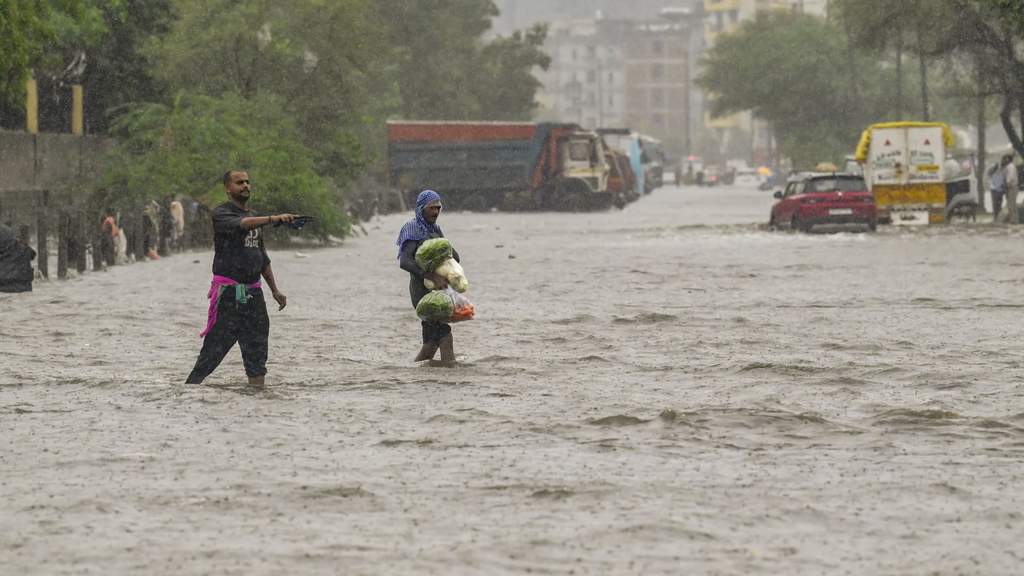
Nature added to the trouble. An El Niño pattern threatens the crops. Torrential rains caused floods in many regions over the last two weeks, but the broader monsoon remains thin. Based on a report from the research firm Crisil, the rainfall deficit dropped from 40% to 15% in early July, but the India Meteorological Department still expects July rainfall to finish 6% below the long-period average. The sharp swing from drought to flood damages the fields and hurts the farmers.
The central bank continues to watch the core inflation figures. Core prices have not yet broken out, but the pressure is building. Persistent high costs for energy and food eventually find their way into everything else. They drive up transportation, manufacturing, and the simple cost of doing business, making the future harder to predict.