Implementing Strict Zero Waste Criteria and Sourcing Local Organic Agriculture
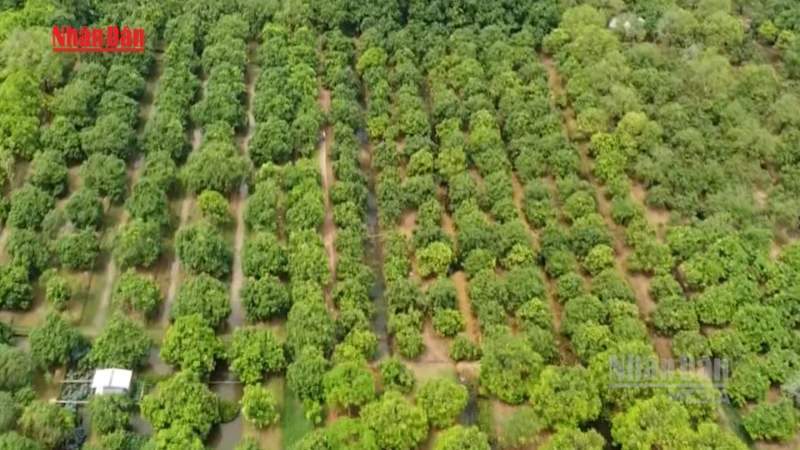
The proactive strategy targets strategic destinations possessing inherent natural advantages, particularly ecological reserves, coastal islands, and rural agricultural hubs. By transforming these hotspots into testing grounds, policy makers aim to establish a blueprint for nationwide environmentally conscious travel.
The experimental models are bound to stringent environmental benchmarks including a complete ban on single-use plastics, low carbon emissions, and closed-loop water resource recycling systems. These metrics ensure that operational growth does not come at the expense of fragile local ecosystems.
Read Also
Industry analysts emphasize that shifting toward resource circularity is no longer optional but a necessity for long-term viability. "Integrating zero-waste protocols into regional hospitality directly aligns Vietnam with international sustainable hospitality benchmarks," remarked an environmental economics researcher.
To maximize regional economic impact, the circular model mandates the prioritized integration of local agricultural produce, certified organic foods, and traditional OCOP items. This supply chain linkage guarantees that economic benefits remain within the host communities while reducing transport-related carbon footprints.