
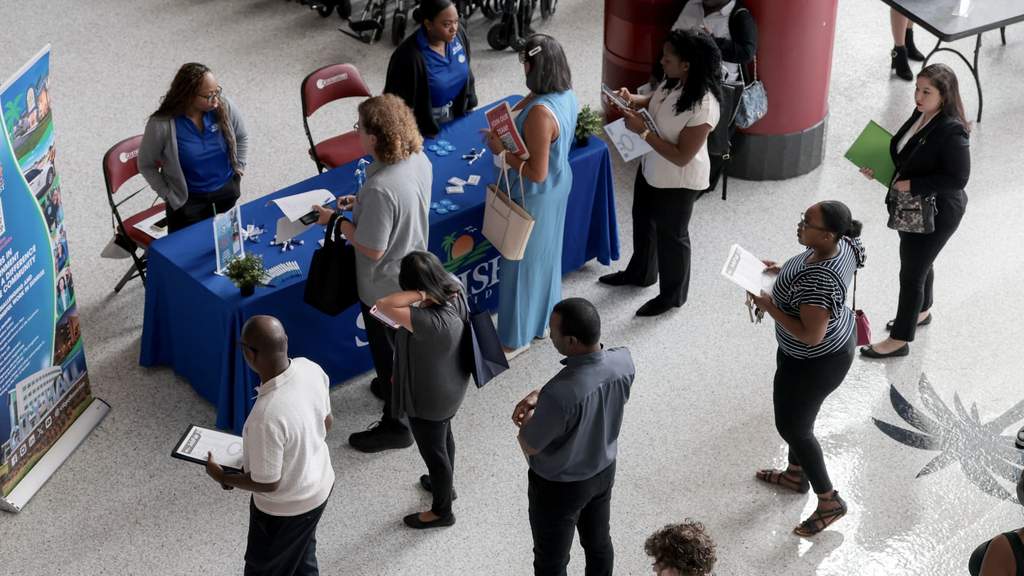
The surface of the American economy showed a deceptive calm in June. The unemployment rate dropped to 4.2 percent, its lowest mark in a year. Yet the victory was hollow. The decline did not come from a surge in hiring, but from a quiet retreat. Workers simply stopped looking for work and walked away.
// RELATED STORIES

Suka dengan artikel ini?
Dapatkan lebih banyak informasi teknologi menarik dengan berlangganan newsletter kami. Gratis!
Subscribe Sekarang →According to data released by the Bureau of Labor Statistics on Thursday, the labor force participation rate fell to 61.5 percent. This metric tracks the share of working-age Americans who either hold a job or are actively seeking one. The new figure represents the lowest level seen since March 2021, when the pandemic held the nation in its grip.
The historical perspective paints a bleaker picture. Based on government records, if one excludes the anomalous disruptions of the Covid-19 era, the participation rate has now reached its lowest point in exactly fifty years. The shrinkage reveals a deep weariness among job seekers who are choosing to abandon the market altogether.
Economists view this retreat as a sign of underlying friction within the domestic market. While the headline jobless rate suggests stability, the shrinking labor pool implies that fewer citizens are contributing to the nation's economic output. The long-term implications of a smaller workforce remain a pressing concern for policymakers in Washington.