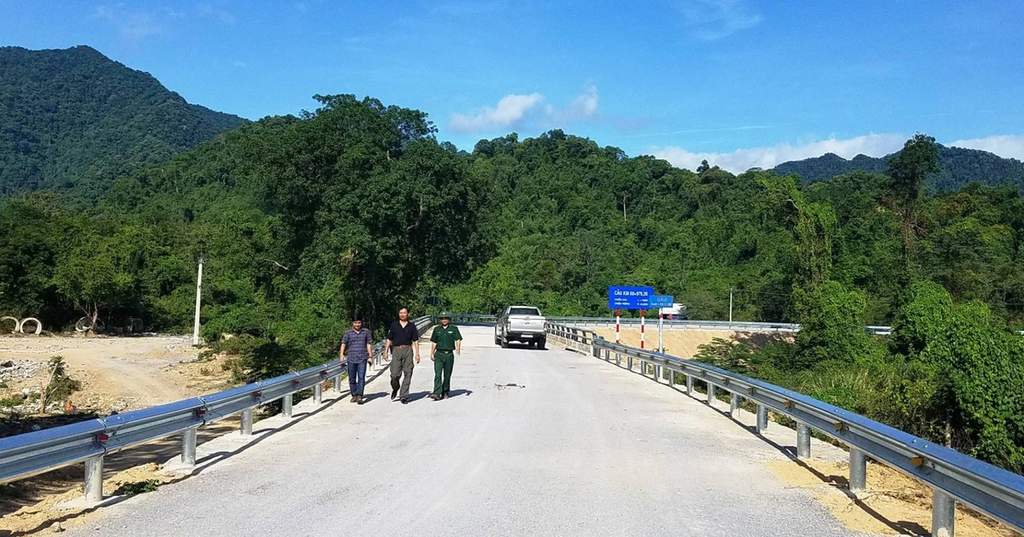
Strategic Infrastructure Investments Empower Remote Ethnic Communities
The upgrading of vital routes like the 20 Quyet Thang road has drastically cut travel times, seamlessly connecting remote border communes such as Thuong Trạch to the bustling hub of Dong Hoi city. Alongside improved transit, the arrival of the national grid in remote commune centers has enabled indigenous residents to utilize machinery and modern tools, laying a solid foundation for sustainable poverty reduction.
Under the framework of the national socio-economic development program for ethnic minority and mountainous areas (Program 1719), local authorities have focused heavily on essential infrastructure. For the 2019-2024 period, Quang Binh mobilized over 1,800 billion VND, achieving an 80.4% disbursement rate for essential infrastructure, which funded 57 rural transport works, 12 centralized water systems, 30 sedentary farming projects, 18 schools, and 24 community cultural houses.
Read Also
Local leaders emphasize that specialized regional policies are proving to be long-term, sustainable solutions to bridge the developmental gap between highlands and plains. "This targeted approach activates the inner strength of ethnic minority communities on their path to development," stated Tran Hai Chau, Standing Deputy Secretary of the Provincial Party Committee, highlighting the profound impact of the provincial socioeconomic resolutions.
The regional transformation has yielded measurable welfare improvements, driving an annual poverty reduction rate of 8.05% among local ethnic households. Current statistics show that 100% of ethnic residents are covered by health insurance, all communal health stations are built with solid structures, and concrete or asphalt roads now fully connect all commune centers across the five mountainous districts bordering Laos.